
Bespoke Metalwork
Bespoke Metalwork: Staircases, Balustrades and Steel in the Home
How one-off steel staircases, balustrades, gates and structural steelwork are designed and built, when to involve a fabricator, how powder coating and galvanising protect against corrosion, and the mistakes to avoid.
Last reviewed
Key points
- Most fabricated metal in a home, including staircases, balustrades, gates and railings, is designed and built as a one-off for that property.
- Steel is a defining material in contemporary homes, often paired with glass for an industrial look or with timber for something warmer.
- Involve a fabricator early. Leaving it late costs more and limits what can be built.
- Powder coating and galvanising protect steel against corrosion, but both still need some upkeep.
- The avoidable mistakes are bad measurements, cheap imported parts, style over practicality and skipping corrosion protection.
What bespoke actually means
A bespoke staircase or balustrade isn’t adapted from a catalogue product. It is measured, drawn and made around the exact space it will sit in. Episode 3 of The Healthy House Podcast, with Dan Bragg of Custom Fabrications, walks through this world: staircases, balustrades, gates, railings and structural steel, each produced for a single property.
The process: from drawing to installation
A typical job runs from an initial CAD drawing, through fabrication and finishing, to installation on site. Understanding those stages helps you know what decisions are needed and when. Accurate measurements at the start are the foundation of everything else, which is why measurement errors top the list of common mistakes.
Why steel, and what it pairs with
Steel has become one of the defining materials in modern residential design. Paired with glass it gives a light, industrial feel, and paired with timber it feels warmer. Its strength allows slim profiles and open designs that other materials can’t easily match, which is why it appears in everything from staircases to structural openings.
Protecting steel: powder coating and galvanising
Steel left unprotected will corrode. The two finishes discussed in the episode are galvanising, a zinc coating, and powder coating, a durable baked-on finish. Both need some ongoing maintenance, so ask your fabricator what upkeep to expect and how often. Leaving protection out to save money is one of the mistakes that costs most in the long run.
Mistakes worth avoiding
- Bad measurements: check and recheck on site before anything is cut
- Cheap imported components: they can undermine an otherwise well-made piece
- Style over practicality: a beautiful design still has to work for daily use
- No corrosion protection: a false economy
Regulations and safety
Stairs and guarding are safety-critical and must comply with the Building Regulations. The requirements are set out in Approved Document K, and your designer, fabricator or local building control body can confirm what applies to your project.
Damp, condensation and metal in the home
Metal in and around a building interacts with moisture, particularly at external openings, in wet areas and on older properties. If you are commissioning external steelwork on a home that already has damp or condensation problems, sort the moisture first. Our guides to damp and mould and condensation and ventilation explain how to tell what you are dealing with, and Weather Wise Solutions, who host this podcast, are damp, mould and condensation specialists.
Listen to the episode
Episode 3, “The Hidden Craft Behind Modern Homes – Bespoke Metalwork Explained”, runs to about an hour and twenty minutes. It is for anyone planning a renovation or self-build, and for anyone curious about the skilled trades behind the homes we live in.
Common questions
What is bespoke metalwork?
Bespoke metalwork is designed and made as a one-off for a single property, such as a staircase, balustrade, gate or railing built around a specific space. It differs from production metalwork, which is made to a standard design and repeated.
When should I bring a fabricator into a renovation?
As early as you can. Leaving the decision until later in a project, once other trades and structural work are fixed, tends to cost more and limit what a fabricator can actually build.
What is the difference between powder coating and galvanising?
Both protect steel against corrosion. Galvanising coats the steel in zinc, and powder coating applies a baked-on paint-like finish, and the two are often used together. Whichever you choose, expect some ongoing maintenance rather than a permanent one-off fix.
How long does bespoke metalwork take from design to installation?
It runs from a CAD drawing, through fabrication and finishing, to installation on site, and each stage takes time. Ask your fabricator for a realistic programme at the start and build it into your overall build schedule.
What mistakes do people make when commissioning metalwork?
The mistakes named on Episode 3 are bad measurements, cheap imported components, choosing style over practicality, and leaving out corrosion protection. Accurate site measurements, clear specifications and a proper finish avoid most of them.
Do staircases and balustrades need to meet Building Regulations?
Yes, stairs and guarding have to meet the Building Regulations, and the detail is in Approved Document K. Check the requirements with your building control body or designer before finalising a design.
Hear it discussed
Episodes on this subject
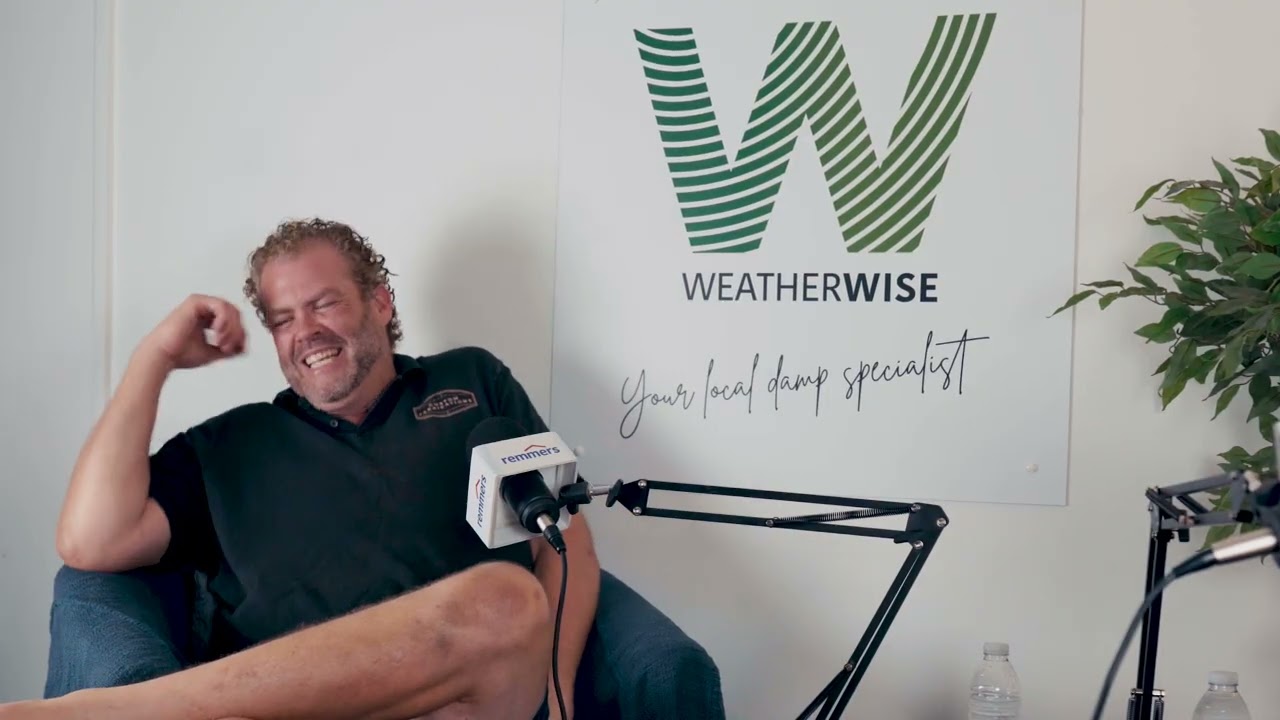
The Hidden Craft Behind Modern Homes – Bespoke Metalwork Explained
Dan Bragg, owner of Custom Fabrications, joins Aaron Worrall to explain how bespoke staircases, balustrades and gates are designed and built, and what homeowners get wrong about steel.
With Dan Bragg, Custom Fabrications